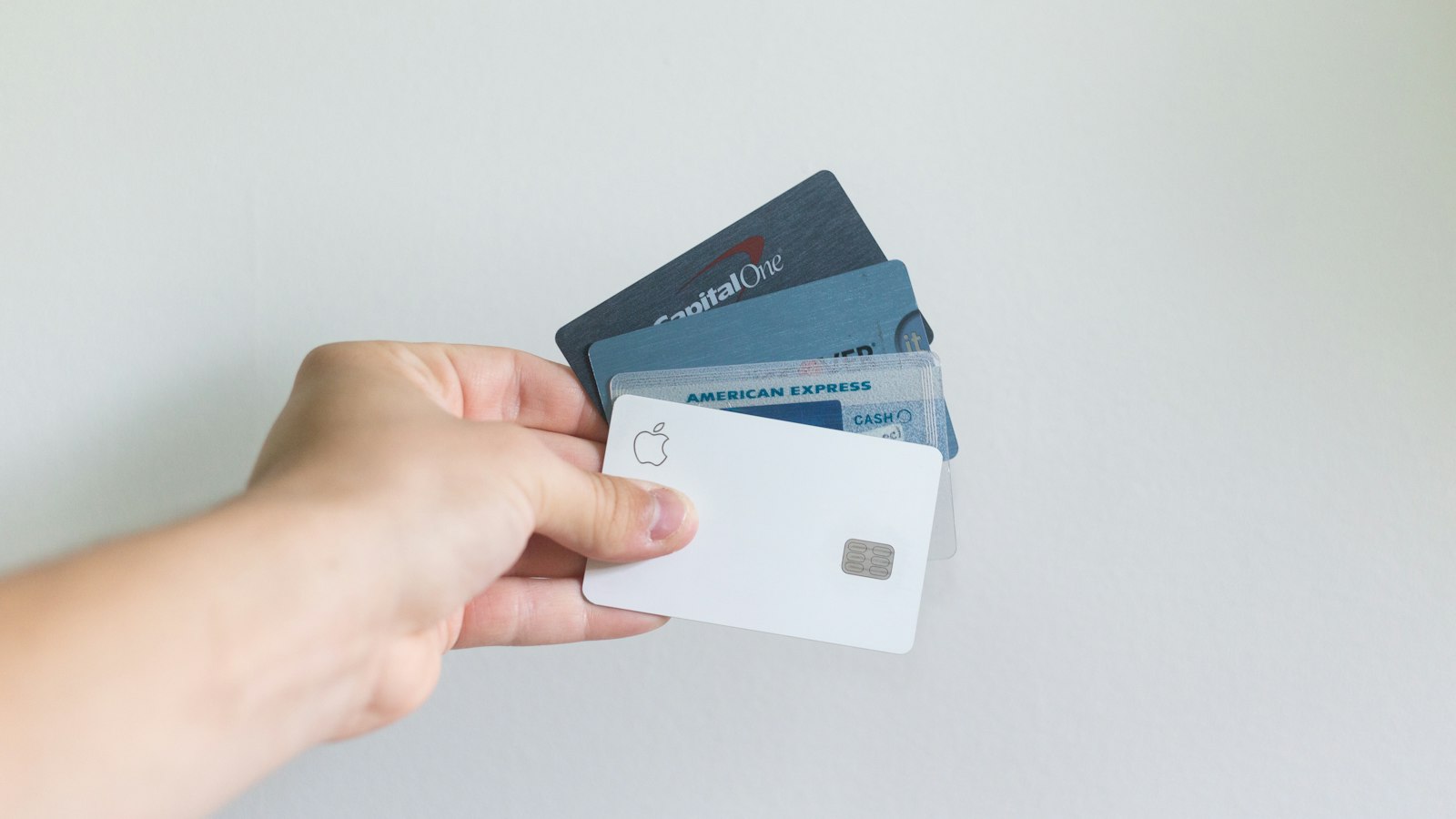
Using Someone Else’s Bank Account in Saudi Arabia: When Informal Convenience Becomes Legal Liability

This article examines the legal risks associated with allowing another person to use your bank account in Saudi Arabia. It explains how Saudi financial regulations address such practices within the framework of anti-money laundering and financial compliance requirements. The article outlines the legal responsibility of the account holder, identifies transaction patterns that may trigger regulatory scrutiny, and discusses the potential legal consequences while providing practical legal insight to help individuals, entrepreneurs, and investors better understand their compliance obligations.
When Does Allowing Someone Else to Use Your Bank Account Become a Legal Risk in Saudi Arabia?
In Saudi Arabia’s evolving financial landscape, a bank account is no longer simply a tool for receiving and transferring funds. It has become an extension of its holder’s legal and financial identity, reflecting their compliance with regulatory requirements and financial conduct.
One practice that continues to raise significant legal concerns is allowing another person to use your bank account, particularly for receiving money.
What may begin as a favor to a friend, relative, or business associate can quickly develop into a complex legal issue, especially under Saudi Arabia's strict regulatory framework governing anti-money laundering (AML), commercial concealment, and financial compliance.
The Account Holder Bears Primary Legal Responsibility
Under Saudi regulations, the bank account holder is generally considered responsible for all transactions conducted through their account, regardless of whether they personally initiated the transaction, authorized someone else to do so, or lacked full knowledge of the details.
This principle exists because a bank account is legally linked to its registered owner. Consequently, any activity that falls outside the normal and expected use of the account may expose its owner to regulatory scrutiny and legal accountability.
When Does Account Usage Become Suspicious?
The legal concern does not arise merely because funds are received. Instead, the pattern and nature of financial transactions determine whether an account attracts regulatory attention.
Examples of high-risk transaction patterns include:
Receiving frequent transfers from multiple unrelated parties.
Receiving amounts that are inconsistent with the account holder's declared income or financial profile.
Using a personal account as an intermediary to transfer funds between different individuals or entities.
Operating commercial activities through a personal account without an appropriate legal structure.
Such activity may lead authorities to classify the account as:
A collection account.
An intermediary account.
A channel used to obscure the true source or destination of funds.
These transaction patterns are closely monitored within Saudi Arabia's financial compliance framework.
How Do Saudi Regulations Address These Situations?
Saudi Arabia's legal framework adopts a proactive approach toward combating financial crimes.
Under the Anti-Money Laundering framework, the existence of suspicious financial behavior may be sufficient to initiate regulatory review or investigation, even before proving that an underlying criminal offense has occurred.
As a result, the ability to provide a reasonable and well-documented explanation for financial activity often becomes a decisive factor during compliance reviews.
What Legal Consequences Could Follow?
If suspicious activity escalates into a formal investigation, the account holder may face several regulatory measures, including:
Temporary suspension or freezing of the bank account.
Requests to provide documents explaining the source and purpose of incoming funds.
Formal investigations by the competent authorities.
Financial penalties where applicable.
Imprisonment in serious cases as determined under applicable laws.
Placement under regulatory monitoring where circumstances justify additional oversight.
Depending on the facts of each case, authorities may also examine whether the transactions indicate potential money laundering or commercial concealment violations.
Is the Other Person Also Liable?
Yes.
The individual using another person's bank account may also bear legal responsibility and, depending on the circumstances, may be treated as either a principal offender or an accomplice.
Nevertheless, the account holder typically remains the person most exposed to regulatory scrutiny because the account is legally registered in their name and they are expected to maintain control over its lawful use.
Common Real-Life Situations
Many cases begin with seemingly harmless requests, such as:
A friend asking to receive a temporary bank transfer.
An employee processing business payments through a personal account.
An unregistered business receiving customer payments into an individual's account.
Accepting transfers on behalf of another person to simplify a financial transaction.
Although these situations may appear practical or convenient, they may conflict with Saudi financial compliance requirements if they cannot be properly justified.
How Do Banks Detect Suspicious Activity?
Financial institutions in Saudi Arabia rely on sophisticated monitoring systems that analyze:
Transaction frequency.
Transfer values.
Sources of incoming funds.
Customer behavior.
Whether account activity aligns with the customer's known financial profile.
When unusual activity is detected, banks may take several precautionary measures, including:
Temporarily restricting account activity.
Requesting additional documentation.
Conducting enhanced customer due diligence.
Escalating the matter to the relevant regulatory authorities when required.
These procedures form part of banks' statutory obligations to combat financial crime and maintain regulatory compliance.
Why Is a Credible Explanation So Important?
Legal exposure does not always arise because the money itself is unlawful.
In many situations, the concern stems from the inconsistency between the customer's financial profile and the way the account is being used.
Even legitimate funds may trigger regulatory attention if the transaction pattern appears unusual or cannot be adequately explained.
Maintaining proper documentation and being able to demonstrate the legitimate purpose of transactions is therefore an essential aspect of financial compliance.
How Can EL-LWAA Law Firm Assist?
As financial regulations continue to evolve, EL-LWAA Law Firm serves as a trusted legal partner for individuals, entrepreneurs, and investors seeking to manage their financial affairs in accordance with Saudi regulatory requirements.
The firm's legal services include advising clients on financial compliance obligations, reviewing transaction structures, assisting in regulatory inquiries, and helping clients strengthen their legal position when financial transactions become subject to scrutiny.
By providing practical legal guidance, EL-LWAA helps transform regulatory compliance from a reactive obligation into a proactive framework that supports long-term business stability and reduces unnecessary legal risk.
Conclusion
Allowing another person to use your bank account is no longer a simple personal favor. Within Saudi Arabia's increasingly sophisticated financial regulatory system, it can create significant legal and compliance risks for everyone involved.
Maintaining full control over your bank account and ensuring that all financial activity accurately reflects your legitimate personal or business profile are essential safeguards against unnecessary legal exposure.
In today's transparent financial environment, a bank account is more than a payment tool—it is a legal responsibility.